
Your cart is empty
Already have an account? Log in to check out faster.
Already have an account? Log in to check out faster.

Persian cuisine is known for its balance of aromatic spices, bright herbs, and delicate flavors. Rather than relying on heavy heat, Persian cooking layers subtle spices that enhance ingredients like rice, lamb, chicken, vegetables, and legumes. The result is food that feels both comforting and vibrant.
Many of these flavors come from a small group of pantry staples that have been used in Persian kitchens for generations. Stocking your spice cabinet with high-quality ingredients—like those offered by Sadaf Foods—makes it easy to recreate authentic flavors at home. From fragrant saffron to tangy sumac, these essential spices bring the heart of Persian cooking into your kitchen.
Below are 10 essential Persian spices every kitchen should have and simple ways to use them.
Saffron is often called the jewel of Persian cuisine. Harvested from delicate crocus flowers, these vibrant red threads add both color and aroma to many traditional dishes.
The flavor is floral, slightly sweet, and deeply fragrant. Just a small pinch can transform a dish.
How to use it
• Bloom saffron threads in warm water before adding to rice
• Stir into stews like fesenjan or khoresh
• Add to desserts such as saffron ice cream or rice pudding
Sumac is a deep red spice made from dried berries that delivers a bright, citrus-like tang. In Persian cooking, it’s often sprinkled on dishes right before serving.
Its acidity helps balance rich flavors like grilled meat or roasted vegetables.
How to use it
• Sprinkle over kabobs and grilled chicken
• Add to salad dressings
• Finish hummus or yogurt dips with a pinch
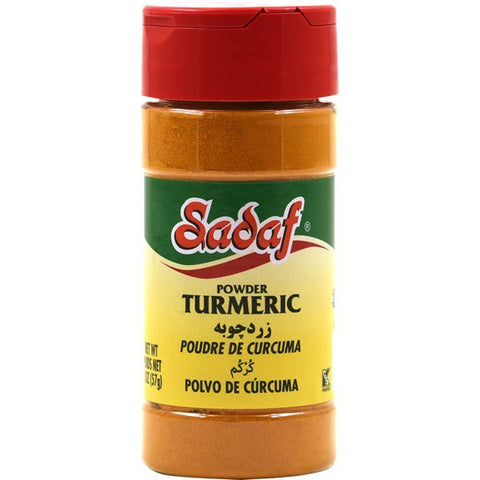
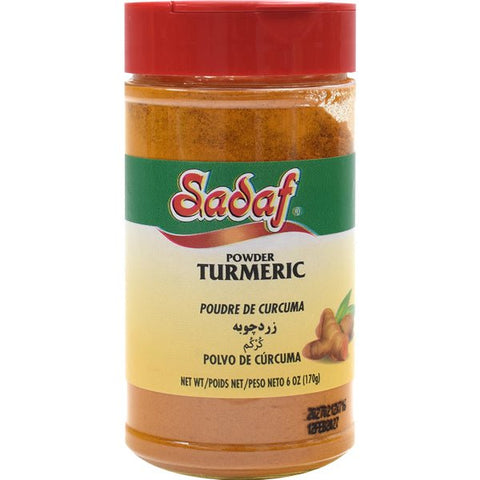
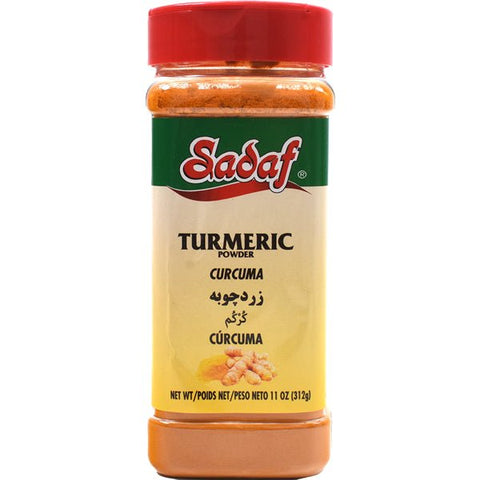
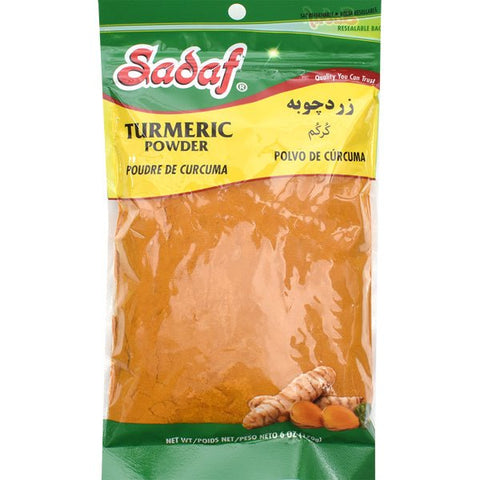
Turmeric is one of the most commonly used spices in Persian cooking. It adds a warm, earthy flavor and a beautiful golden color to dishes.
While it’s often used in small amounts, it forms the foundation of many Persian stews and rice dishes.
How to use it
• Add to sautéed onions as the base of stews
• Stir into lentil dishes and soups
• Use in rice or vegetable dishes
Dried mint adds a refreshing herbal note that brightens many Persian dishes. It’s commonly used in yogurt sauces, soups, and vegetable dishes.
The flavor becomes especially aromatic when lightly heated in oil.
How to use it
• Sprinkle over yogurt dips
• Add to soups and legumes
• Stir into rice dishes for extra fragrance
Advieh is a classic Persian spice blend that typically includes spices like cinnamon, cardamom, cumin, and rose petals. It adds warmth and complexity to many traditional dishes.
Each region and family has its own variation, but the goal is always the same—balanced aromatic flavor.
How to use it
• Add to rice dishes like jeweled rice
• Season chicken or lamb
• Stir into stews and soups
In Persian cuisine, cinnamon is used in both savory and sweet dishes. It adds warmth and gentle sweetness without overpowering other flavors.
It’s often paired with saffron, dried fruits, and nuts.
How to use it
• Add to rice dishes with dried fruit
• Season lamb or chicken stews
• Sprinkle over desserts and pastries
Cardamom is a fragrant spice known for its floral, citrusy aroma. It plays an important role in Persian desserts and beverages.
Just a small amount can make a big difference.
How to use it
• Flavor Persian tea
• Add to rice pudding and desserts
• Use in baked goods and sweets
Cumin brings a warm, nutty flavor that complements legumes, meats, and rice dishes. It’s widely used throughout Middle Eastern and Mediterranean cooking.
In Persian cuisine, it’s often used more subtly than in other regional cuisines.
How to use it
• Season lentils or chickpeas
• Add to meat marinades
• Stir into rice or vegetable dishes
Rose petals are a signature ingredient in Persian desserts and festive dishes. They add a delicate floral aroma and elegant visual touch.
They’re often paired with saffron, pistachios, and cardamom.
How to use it
• Garnish desserts like rice pudding
• Add to tea blends
• Sprinkle over sweets and pastries
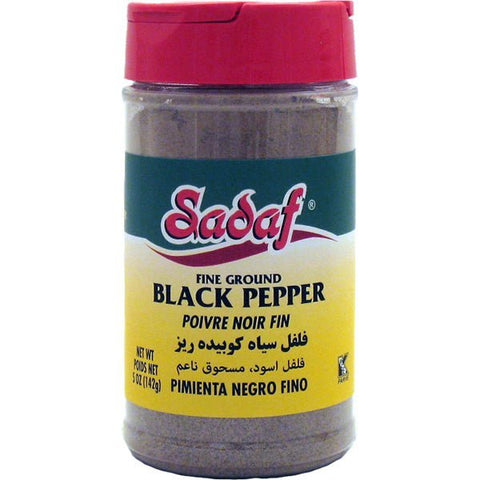
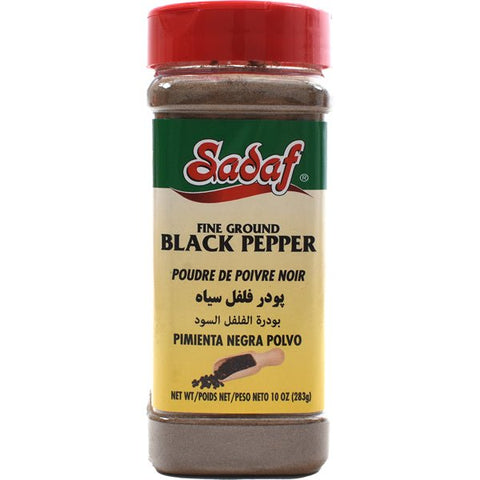
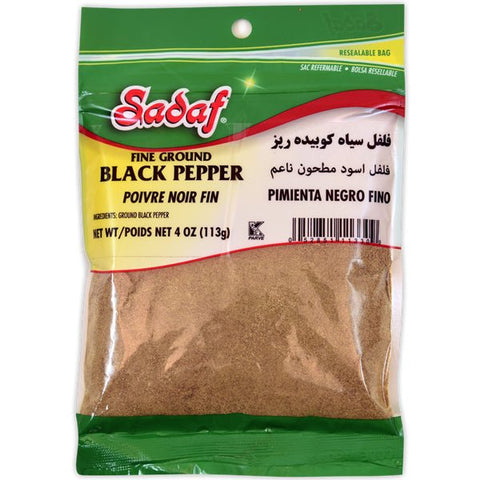
Black pepper may be simple, but it plays an essential role in Persian cooking. Its mild heat enhances other spices without overwhelming the dish.
It’s often used alongside turmeric as the base seasoning in many stews.
How to use it
• Season meats and stews
• Add to marinades
• Sprinkle over eggs and vegetables
Once you stock your pantry with these spices, you’ll be able to create a wide variety of Persian dishes—from fragrant rice and comforting stews to vibrant salads and desserts.
Using high-quality ingredients like those offered by Sadaf Foods helps capture the authentic flavors that make Persian cooking so memorable. With just a few of these spices, everyday meals can become something truly special.
Whether you're making grilled kabobs, saffron rice, or a simple yogurt dip, these 10 essential Persian spices will bring depth, aroma, and tradition to your cooking.